Niya ruins
Introduction
The Niya ruins, located in Minfeng county in the Hotan prefecture of China's Xinjiang Uygur autonomous region, are a significant archaeological site situated approximately 115 kilometers north of the modern-day Niya town. Historically referred to as Jingjue in documents from the Western Jin Dynasty (265–316), Niya was once a flourishing oasis in the southern Taklimakan Desert and served as a major commercial hub along the southern branch of the Silk Road. The site has garnered widespread interest from historians, archaeologists, and cultural enthusiasts due to its rich cultural heritage, legendary findings, and historical mysteries buried beneath the desert sands.
The Niya ruins are celebrated for their well-preserved artifacts, which provide invaluable insights into the cultural exchanges and economic activities of ancient civilizations along the Silk Road. The site has become a focal point for archaeological research and cultural exhibitions, showcasing the interconnectedness of ancient societies and their shared heritage.
History
The Niya ruins date back to a period when the region was a thriving center of trade and culture. As part of the ancient Silk Road, Niya played a pivotal role in facilitating commerce and cultural exchange between the East and the West. The oasis city was a vital link in the network of trade routes that connected China with Central Asia, the Middle East, and beyond.
During the Han Dynasty (206 BC–220 AD) and subsequent periods, Niya was a prosperous state known for its agricultural productivity and skilled craftsmanship. Historical records and archaeological evidence suggest that the city was home to a diverse population, including merchants, artisans, and farmers, who contributed to its economic and cultural vibrancy.
The decline of Niya is believed to have been caused by a combination of environmental changes and shifting trade routes. As the Taklimakan Desert expanded and water sources dwindled, the once-thriving oasis gradually succumbed to the encroaching sands. By the 5th century AD, Niya had been abandoned, leaving behind a treasure trove of artifacts that offer a glimpse into its storied past.
Archaeological Discoveries
Excavation Process
The Niya ruins were first brought to international attention in 1901 when British explorer Aurel Stein conducted an expedition to the site. Stein's pioneering work laid the foundation for subsequent archaeological investigations, which have continued to uncover remarkable artifacts and structures.
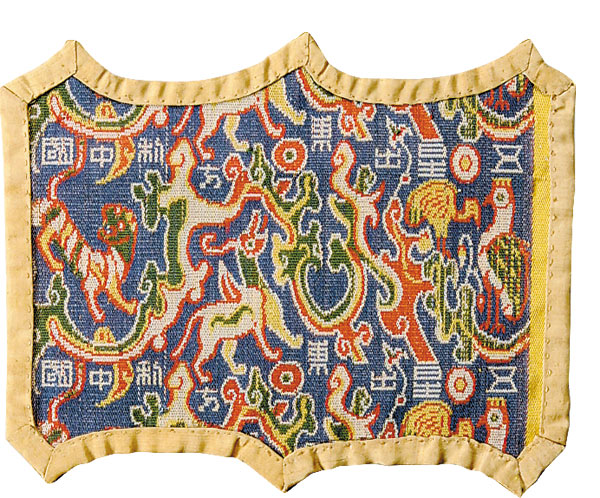
In the 1990s, a joint expedition by Chinese and Japanese archaeologists unearthed some of the most significant findings at the site, including a brocade arm guard dating back to the Han Dynasty. This artifact, inscribed with the Chinese characters "wu xing chu dong fang li zhong guo" ("five stars rise in the east to benefit China"), is considered one of the most important archaeological discoveries in China during the 20th century.
Modern archaeological efforts at Niya have employed advanced technologies such as virtual reality (VR), augmented reality (AR), and drone photography to document and interpret the site. These innovations have enhanced the understanding of Niya's historical and cultural significance, while also aiding in the preservation of its fragile remains.
Significant Findings
The Niya ruins have yielded a wealth of artifacts that reflect the cultural and economic life of the ancient city. Among the most notable discoveries are:
Brocade Arm Guard: This intricately woven textile, featuring bright colors and auspicious designs such as clouds, birds, and mythical beasts, is a testament to the advanced craftsmanship of the Han Dynasty. The inscription on the brocade references an astrological phenomenon involving the alignment of five planets, which was considered a good omen.
Wooden Slips: Numerous wooden slips inscribed with texts have been found at the site, providing valuable insights into the administrative, legal, and social practices of the time. One slip, for example, contains a message of friendship and goodwill, highlighting the interpersonal connections within the community.
Architectural Remains: The ruins of houses, temples, and other structures reveal the layout and architectural styles of the ancient city. These findings underscore the ingenuity of Niya's inhabitants in adapting to the harsh desert environment.
Artifacts of Daily Life: Items such as pottery, tools, and coins offer a glimpse into the daily lives of Niya's residents. These artifacts reflect the city's role as a cultural melting pot, with influences from Central Asia, India, and China.
Cultural Significance
The Niya ruins are a symbol of the rich cultural heritage of the Silk Road and the historical interconnectedness of ancient civilizations. The artifacts and structures unearthed at the site illustrate the exchange of goods, ideas, and technologies that occurred along this vital trade route.
The discovery of the brocade arm guard, in particular, highlights the advanced textile-making techniques of the Han Dynasty and the cultural significance of astrological beliefs in ancient China. The artifact also serves as evidence of the interactions between different ethnic groups and regions, showcasing the diversity and inclusivity of the Silk Road.
The cultural legacy of Niya continues to inspire artistic and scholarly endeavors. For example, the dance drama "Eastern Immortal Prophecy" draws on the story of the brocade arm guard to celebrate the unity and friendship among ethnic groups more than 2,000 years ago.
Preservation Efforts
Efforts to preserve the Niya ruins have been a collaborative endeavor involving local and international organizations. The Xinjiang Museum, in partnership with institutions such as Shanghai Alight Digital Technology Co. Ltd., has played a key role in safeguarding the site's cultural heritage. Advanced technologies, including VR and AR, have been employed to create digital replicas of artifacts and structures, ensuring their preservation for future generations.
The Chinese government has also implemented measures to protect the site from environmental degradation and unauthorized excavations. These efforts include the establishment of protected zones and the promotion of sustainable tourism practices.
Tourism and Accessibility
The Niya ruins have become a popular destination for cultural tourism, attracting visitors from around the world. The site's historical significance and unique desert setting offer a captivating experience for tourists and researchers alike.
Exhibitions such as the digital showcase at the Alight Room Lafayette Culture Space in Shanghai have brought the wonders of Niya to a wider audience. These events feature interactive installations, VR experiences, and educational programs that allow visitors to explore the site's history and artifacts in an immersive and engaging manner.
Efforts are underway to improve the accessibility of the Niya ruins while preserving their integrity. Guided tours, informational signage, and visitor centers are being developed to enhance the experience for tourists while promoting awareness of the site's cultural and historical importance.








